Optimal Timing for Bathtub Installations
Bathtub installations are typically scheduled based on seasonal weather conditions, project complexity, and personal preferences. Understanding the optimal timing can ensure smoother installation processes and better results.
Spring offers moderate temperatures and longer daylight hours, making it ideal for scheduling bathtub installations without weather-related delays.
Summer provides warm weather, which facilitates drying times and reduces the likelihood of weather interruptions during installation.
Fall can be suitable for installations before colder weather sets in, especially in regions with mild autumns.
Winter is generally less preferred due to colder temperatures and potential for weather disruptions, but indoor projects can still proceed with proper planning.

Ways to make Bathtub Installations work in tight or awkward layouts.

Popular materials for Bathtub Installations and why they hold up over time.

Simple add-ons that improve Bathtub Installations without blowing the budget.
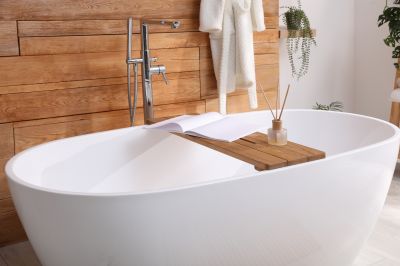
High-end options that actually feel worth it for Bathtub Installations.
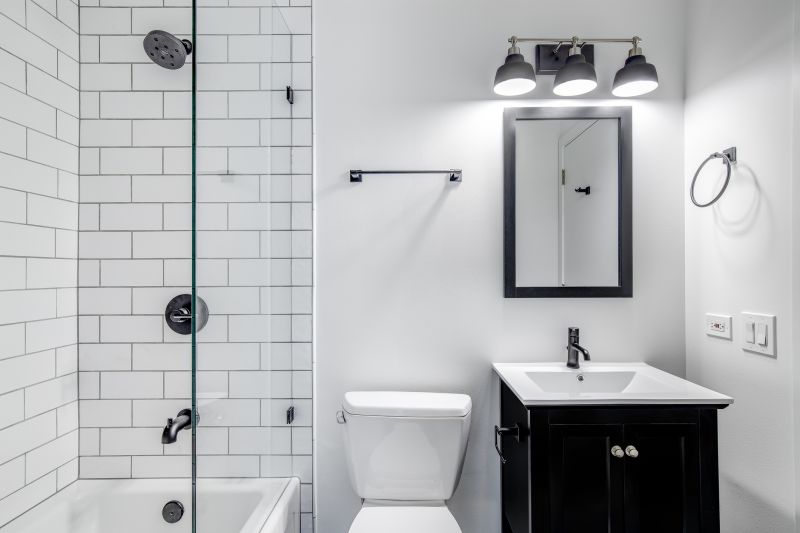
Finishes and colors that play nicely with Bathtub Installations.
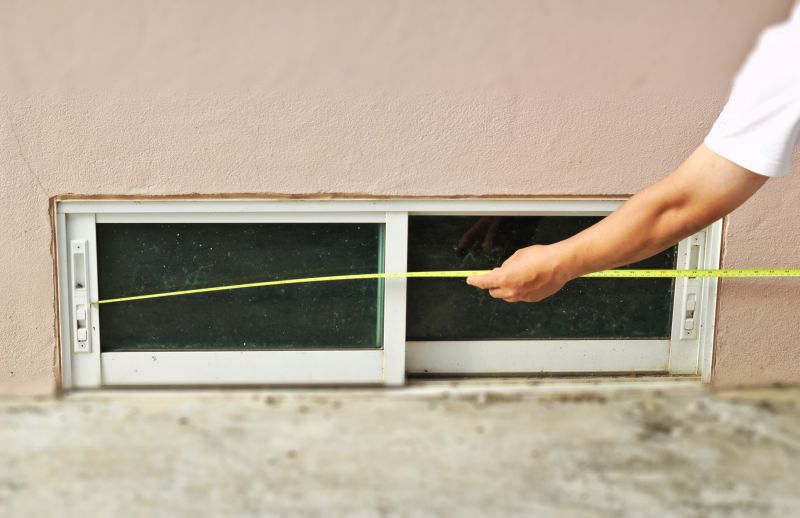
Little measurements that prevent headaches on Bathtub Installations day.
| Season | Ideal Conditions |
|---|---|
| Spring | Moderate temperatures and longer days support smooth installation. |
| Summer | Warm weather enhances drying times and reduces weather delays. |
| Fall | Prepares for winter with installations before cold weather. |
| Winter | Indoor projects are feasible but may face weather-related challenges. |
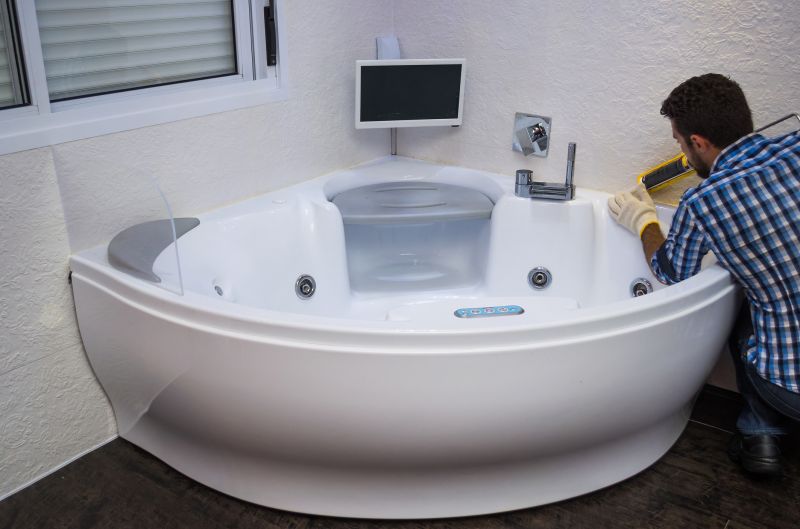
A 60-second routine that keeps Bathtub Installations looking new.

A frequent mistake in Bathtub Installations and how to dodge it.

Small tweaks to make Bathtub Installations safer and easier to use.

Lower-waste or water-saving choices for Bathtub Installations.

The short, realistic tool list for quality Bathtub Installations.

Rough timing from prep to clean-up for Bathtub Installations.
Installation duration varies but generally ranges from a few hours to a full day depending on the complexity.
Indoor installations are less affected by weather but should be scheduled during times of optimal temperature for materials.
Yes, especially for indoor projects, with proper planning to avoid extreme weather conditions affecting materials.
Weather conditions, project complexity, and personal scheduling preferences are key factors.